
Seasonal Landscape Maintenance for Healthy Growth Year-Round
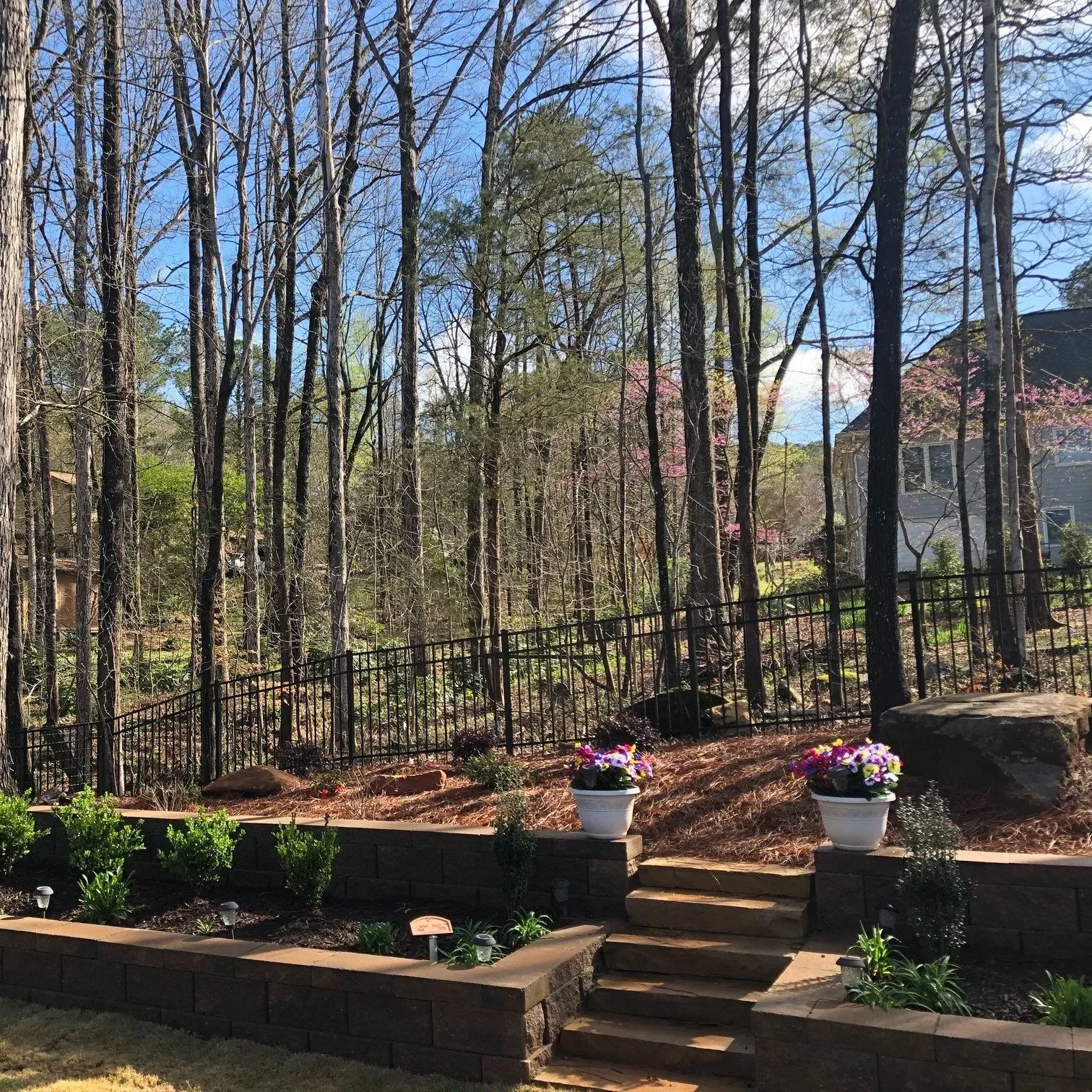
Seasonal landscape maintenance is crucial for preserving the beauty of your outdoor space and keeping it thriving year-round.
Maintaining a gorgeous landscape requires more than just planting flowers and mowing the lawn. A healthy, vibrant garden needs attention year-round. From the first blooms of spring to the crisp air of fall, every season offers unique challenges and opportunities for care. Seasonal landscape maintenance is crucial for preserving the beauty of your outdoor space and keeping it thriving year-round. By staying on top of your landscape's needs through each season, you will help your plants flourish, prevent damage, and enjoy a stunning yard all year long.
Spring: A Fresh Start for Your Landscape
As the temperatures begin to rise, your landscape shakes off the cold of winter and starts to come back to life. Spring is the season of renewal, and your landscape needs a little extra care to kick off the growing season. The first step in spring maintenance is to clear away winter debris, such as fallen leaves, twigs, and branches. This allows sunlight to reach your plants and prevents mold or mildew growth. Additionally, remove any dead or damaged plants to make room for fresh growth.
Spring is also the perfect time to prepare your lawn for the season ahead. Begin by dethatching the grass to remove any buildup of organic matter that may hinder the flow of air, water, and nutrients to the roots. Aerating the soil can also help reduce compaction and improve your lawn's health. Applying a balanced fertilizer provides essential nutrients to encourage strong growth, while overseeding can fill in bare patches left by the colder months.
As flowers start to bloom, consider adding seasonal plants that thrive in spring weather, such as tulips, daffodils, and pansies. These colorful additions will brighten your landscape and attract beneficial pollinators, such as bees and butterflies. Keep an eye on watering needs as well—spring showers may be sufficient, but as temperatures rise, a steady watering schedule will be necessary to keep plants hydrated.
Summer: Keeping Your Landscape Vibrant and Healthy
Summer can be both a rewarding and challenging season for your landscape. The heat and humidity can exhaust plants, and a lack of moisture can quickly cause stress. To keep your landscape looking its best during the summer, consistency is key. Continue with your regular mowing routine, but be mindful not to cut the grass too short, as it can cause drought stress. Taller grass offers shade for the soil, reducing evaporation and helping retain moisture.
Proper irrigation is vital during the summer months. Overwatering or underwatering can both lead to unhealthy plants. Water profoundly and infrequently to encourage roots to grow deeper into the soil. Early morning watering is ideal, as it gives the plants time to dry before evening, helping prevent fungal growth. For garden beds, consider using a drip irrigation system to provide targeted moisture to plants without wasting water.
Summer is also a great time to assess your landscape for any pest or disease problems. Monitor plants for signs of insect damage, such as discolored leaves or holes, and take action quickly if pests are detected. Routinely check the soil around your plants to verify they're not stressed or affected by disease.
While it may be tempting to relax and enjoy the warm weather, staying on top of weeding is crucial during the summer. Weeds grow quickly in the heat, so regular maintenance is necessary to prevent them from overtaking your garden. Mulching around plants not only helps hold moisture but also acts as a barrier to weeds.
Fall: Preparing Your Landscape for the Cold
As the days get shorter and temperatures begin to drop, fall maintenance becomes essential for preparing your landscape for winter. The first task on your to-do list should be raking and removing fallen leaves. If left on the ground, leaves can suffocate the grass, prevent proper airflow, and promote fungal diseases. Collecting and composting leaves also gives you an excellent resource for next year's mulch.
Fall is also the time to address any lawn care needs before the cold sets in. Aerating the soil again can help improve root growth and create a healthy foundation for the winter. Apply a slow-release fertilizer to provide nutrients for the grass and plants as they enter dormancy. If you have cool-season grasses, like fescue or ryegrass, fall is the perfect time to overseed and encourage new growth.
When pruning trees and shrubs, do it in the fall to remove dead, damaged, or diseased limbs. Pruning helps prevent winter breakage from snow or ice accumulation. It also keeps the plant's energy focused on healthy growth, rather than struggling to sustain weak branches.
Consider planting fall-friendly plants such as mums, asters, or ornamental grasses. These plants can add texture and color to your landscape as the weather cools. For vegetable gardens, harvest any remaining crops and clean up the area to prepare it for winter. Fall is also the ideal time to divide perennials, ensuring that your garden stays healthy and vibrant for the following season.
Winter: Protecting Your Landscape from the Cold
While winter often brings a lull to your landscape, the season still requires some attention to protect your plants and hardscape features. First, focus on protecting your lawn and garden beds from snow and ice. If you live in an area with frequent snowfall, use a snow blower or a shovel to remove excess snow from walkways and patios. However, avoid piling snow directly onto your plants, as it can suffocate them and lead to damage. Instead, keep the snow on open surfaces where it won't create a barrier for your plants.
For trees and shrubs, consider wrapping vulnerable plants in burlap or protective covers to shield them from freezing temperatures and windburn. Applying a layer of mulch around the base of trees and plants can also help insulate the soil and protect roots from freezing.
Winter is the perfect time to review your landscape and assess any areas that need improvement for the upcoming seasons. Take note of problem areas, such as low-lying spots that collect water or areas prone to erosion. Planning these improvements during the winter months lets you hit the ground when spring arrives.
While there may be fewer tasks to tackle in winter, don't forget to give your hardscape features some TLC: pressure wash patios, walkways, and driveways to remove dirt, leaves, and debris. Check for any damage from the previous season and make necessary repairs before the next round of weather hits.
Conclusion
Seasonal landscape maintenance requires careful attention, but the results are worth the effort. By addressing the unique needs of your landscape year-round, you can create a space that not only looks beautiful but also thrives in every season. From spring cleanups to winter protection, each step helps ensure your landscape remains healthy, vibrant, and functional year-round. With a little work and dedication, your landscape will continue to boost your property's curb appeal and provide a relaxing, enjoyable space for you and your family, no matter the season.
