
How To Prepare Gainesville Pavers for Winter Weather
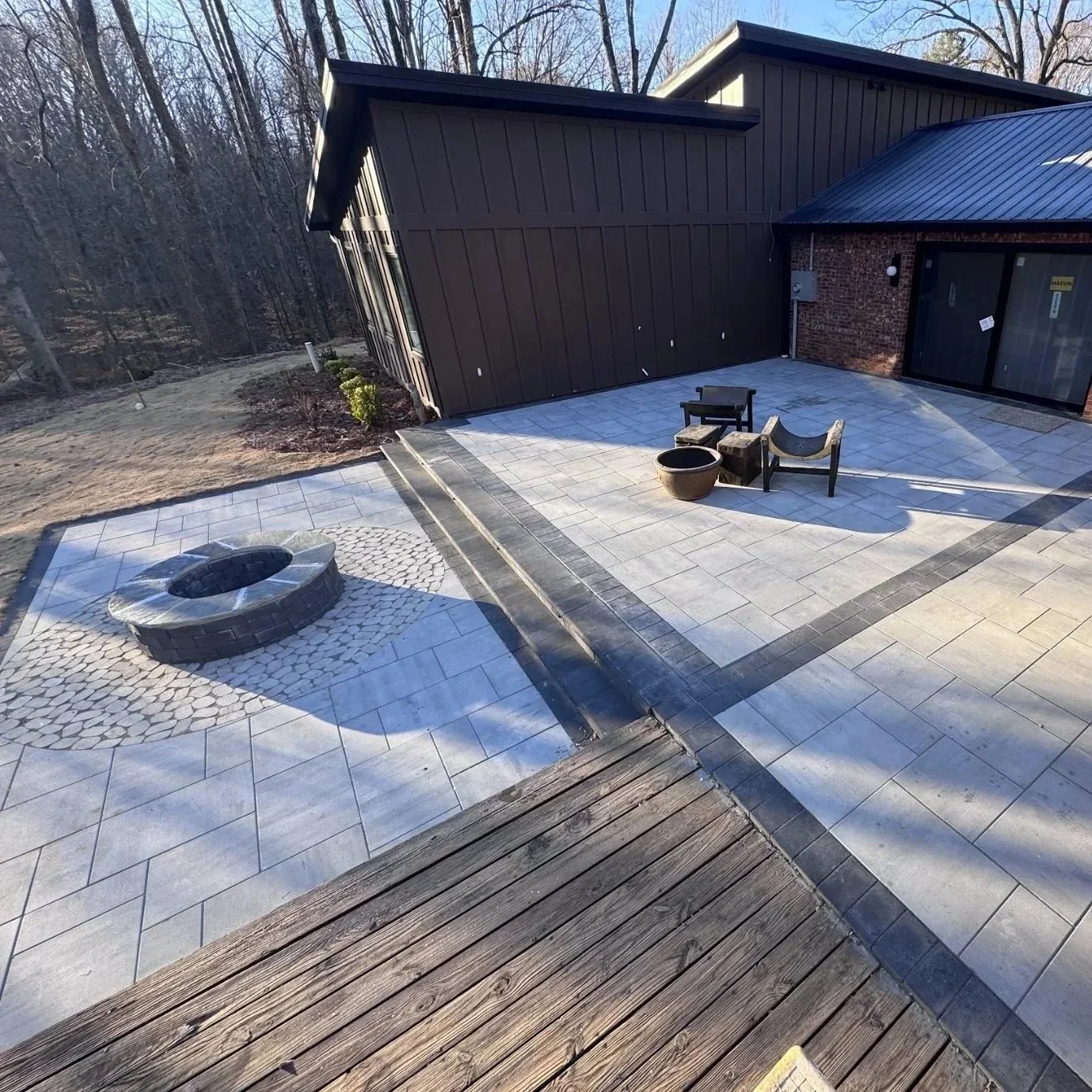
Preparing pavers for winter in Gainesville prevents moisture damage, joint erosion, and structural weakening from seasonal temperature changes.
Why Winter Preparation Matters Even In Gainesville’s Mild Climate
Winter in Gainesville, GA, does not arrive with deep freezes or prolonged snow cover, which leads many homeowners to assume their pavers require little seasonal preparation. That assumption causes more long-term damage than most people realize. Mild winters still bring temperature swings, extended moisture exposure, and freeze-thaw cycles that stress hardscape systems in quieter but persistent ways. Daytime warmth followed by overnight cold allows water trapped in paver pores and joints to expand and contract repeatedly. Over time, those small movements weaken surface structure, loosen joint material, and accelerate wear that often becomes visible months later rather than immediately after winter passes.
Moisture plays the dominant role in winter-related paver damage in North Georgia. Winter rain lingers longer due to reduced evaporation, shaded angles, and shorter daylight hours. Soil stays saturated beneath the hardscape, increasing upward moisture pressure through the base layers. When pavers enter winter already compromised by clogged joints, organic buildup, or poor drainage, cold weather magnifies those weaknesses. Preparation focuses less on protecting against extreme cold and more on stabilizing how the system handles moisture, movement, and surface stress during a season that quietly tests its durability.
Inspecting Pavers For Existing Weaknesses Before Winter Sets In
Preparation begins with identifying vulnerabilities that winter conditions exploit. Small joint gaps, subtle settling, hairline cracks, and edge movement often go unnoticed during warmer months when expansion masks early warning signs. Cooler temperatures tighten materials, making these issues easier to detect if homeowners take time to inspect surfaces closely. Walking the area slowly and paying attention to changes underfoot often reveals soft spots or uneven transitions that signal underlying base movement or joint loss.
Addressing these issues before winter prevents moisture from penetrating deeper into the system during cold spells. Ignoring minor weaknesses allows water to collect in precisely the areas most vulnerable to freeze expansion. Over time, that repeated stress widens gaps and increases movement across adjacent pavers. Pre-winter inspection is not about perfection but about stabilization. Catching early signs allows for targeted corrections that preserve overall system integrity through seasonal changes.
Clearing Organic Debris That Traps Moisture Against Pavers
Leaves, pine needles, mulch fragments, and soil buildup pose a bigger winter threat than cold temperatures themselves. Organic debris traps moisture against paver surfaces and joints, creating persistently damp conditions even during dry weather. In Gainesville yards with mature trees, debris accumulation accelerates during fall and often remains in place as winter arrives. That trapped moisture feeds algae and mildew growth while also increasing absorption into unsealed pavers.
Winter preparation includes thorough debris removal not only from visible surfaces but also from joints and edges where material collects unnoticed. Cleaning these areas allows pavers to dry more evenly between rain events and reduces biological activity that continues quietly through winter. Leaving organic material in place sets the stage for staining, joint degradation, and surface softening that becomes apparent once spring traffic resumes.
Managing Joint Material Before Temperature Fluctuations Begin
Joint material condition directly affects how pavers respond to winter weather. Joints that sit low or contain loose sand allow water to enter easily and remain trapped longer. When temperatures dip overnight, that water expands, placing outward pressure on paver edges. Even modest freeze events can loosen pavers when joints lack proper support. Gainesville may not experience sustained freezing, but repeated short freeze cycles cause cumulative damage over the season.
Pre-winter joint maintenance focuses on restoring consistent fill levels and compaction. Adding appropriate joint material and compacting it properly reduces voids where water collects. Stable joints distribute pressure evenly across the surface, reducing localized stress. Homeowners who address joint issues early avoid widespread movement that becomes harder to correct once winter moisture saturates the base layers. Joint preparation supports the entire system rather than treating surface symptoms alone.
Evaluating Drainage Performance Ahead Of Winter Rainfall
Drainage weaknesses rarely announce themselves clearly until heavy rain exposes them. Winter provides fewer opportunities for evaporation, meaning water remains on and beneath pavers longer. Low spots, clogged drainage paths, and subtle grading issues become more problematic during this season. Preparing pavers for winter includes observing how water behaves after rain and identifying areas where it pools or moves unpredictably.
Correcting drainage does not always require major reconstruction. Clearing debris from channels, adjusting soil at edges, or improving slope transitions often reduces moisture accumulation significantly. In Gainesville’s clay soils, water movement slows naturally, making surface drainage even more important. Winter preparation aligns drainage behavior with seasonal conditions rather than allowing moisture to linger unchecked when temperatures fluctuate.
Addressing Algae And Mildew Before Cold Weather Slows Drying
Algae and mildew thrive in Gainesville’s humidity and continue growing during mild winters, especially in shaded areas. Once established, these organisms trap moisture against the paver surface and joints, increasing absorption and surface degradation. Winter conditions slow drying, allowing biological growth to persist longer between rain events. Left untreated, algae becomes more entrenched and harder to remove once spring warmth returns.
Pre-winter cleaning reduces biological load and resets surface conditions before slower drying sets in. Gentle, appropriate cleaning methods remove growth without disturbing joint material. Addressing algae early prevents it from acting as a moisture sponge throughout winter. Preparation focuses on reducing moisture retention rather than cosmetic appearance alone, protecting the paver system from compounding damage during colder months.
Understanding How Freeze-Thaw Cycles Affect Pavers In North Georgia
Freeze-thaw damage does not require deep or prolonged freezing to occur. Short overnight freezes combined with daytime thawing exert stress on saturated materials repeatedly. Water expands when frozen, even slightly, then contracts as it thaws. In pavers, that expansion occurs inside pores, joints, and base layers. Each cycle widens existing weaknesses incrementally rather than causing immediate failure.
Gainesville experiences these conditions intermittently, making damage subtle and cumulative. Homeowners often attribute spring paver movement to settling or age rather than winter moisture behavior. Preparing for freeze-thaw cycles means minimizing water entry points and stabilizing components before winter arrives. When less water enters the system, freeze expansion exerts less force, preserving alignment and surface integrity through seasonal transitions.
Protecting Edges And Transitions From Winter Movement
Edges represent the most vulnerable areas of any paver installation. They experience lateral pressure from soil expansion, moisture movement, and traffic loads. During winter, saturated soil around edges expands and contracts with temperature changes, pushing against restraints. When edges lack proper support or maintenance, pavers begin spreading outward, creating gaps and uneven surfaces.
Preparation includes checking edge restraints, soil levels, and adjacent landscaping. Removing excess mulch buildup and correcting erosion reduces pressure against the perimeter. Stabilizing edges before winter prevents movement from spreading inward across the surface. Edge integrity supports the entire installation, making perimeter maintenance a critical component of winter readiness rather than an afterthought.
Why Sealing Status Influences Winter Performance
Sealed and unsealed pavers respond differently to winter conditions. Unsealed pavers absorb more moisture, increasing internal expansion during freeze events. Sealed surfaces shed water more effectively, limiting how much enters the system from above. In Gainesville, where winter rain remains frequent, sealing status plays a meaningful role in how well pavers handle moisture cycles.
Preparation includes understanding whether sealing remains effective or has worn thin. Sealers degrade gradually, and worn areas often go unnoticed until moisture behavior changes. Observing how water beads or darkens the surface provides clues about absorption rates. Addressing sealing needs before winter supports consistent performance through wet and cold conditions, especially in high-exposure areas.
Planning Winter Use Patterns And Traffic Loads
Winter changes how outdoor spaces are used, but traffic does not disappear entirely. Fire pits, grills, and seating areas remain active during mild weather, concentrating loads in specific areas. Wet surfaces combined with foot traffic place additional stress on joints and edges. Preparing pavers includes anticipating these use patterns and protecting high-traffic zones accordingly.
Relocating heavy items, using protective pads, and avoiding concentrated loads during saturated conditions reduces stress during the winter months. Small adjustments prevent localized settling that becomes more visible once spring use increases. Winter preparation aligns usage habits with environmental conditions rather than treating pavers as static surfaces unaffected by seasonal change.
Monitoring Soil Saturation And Subsurface Moisture During Winter
Winter preparation does not stop once cold weather arrives. Gainesville’s clay-heavy soil retains moisture for long periods, especially during stretches of winter rain when evaporation slows. Saturated soil beneath pavers creates upward pressure that influences base stability and joint performance. Even when surfaces appear dry, subsurface moisture may remain high, quietly affecting how pavers respond to temperature changes and traffic loads. Homeowners who understand this dynamic pay attention to how long areas stay damp after rainfall rather than assuming surface dryness tells the full story.
Observing soil conditions around the edges of paver installations provides valuable insight into subsurface behavior. Persistent sogginess, soil heaving, or erosion near borders signals that moisture management needs attention. Addressing these signs during winter prevents gradual base weakening that leads to springtime settling. Simple steps like improving soil grading near edges or diverting runoff away from hardscape reduce pressure on the paver system during a season when moisture movement dominates performance.
Avoiding Winter Cleaning Methods That Cause Surface Damage
Winter cleaning habits often unintentionally damage pavers. High-pressure washing during cold weather forces water deep into joints and pores at a time when drying conditions remain poor. That trapped moisture increases freeze-thaw stress and weakens surface structure. Chemical cleaners applied during colder temperatures may not activate properly, leaving residue behind that attracts moisture and dirt. In Gainesville, where winter temperatures fluctuate rather than staying consistently cold, these risks increase rather than decrease.
Winter maintenance focuses on gentle intervention rather than aggressive cleaning. Light rinsing, debris removal, and targeted spot treatment preserve surface integrity while limiting water intrusion. Allowing pavers to dry naturally between maintenance activities supports stable moisture levels within the system. Homeowners who resist the urge to overclean during winter protect their investment from damage that may not appear until warmer weather returns.
Protecting Pavers From Winter Landscaping Activities
Winter landscaping tasks often place unexpected stress on paver surfaces. Pruning debris, soil movement, and equipment traffic concentrate loads during a time when base layers may be saturated and less stable. Dragging tools or storing materials on pavers increases the risk of surface damage and localized settling. In Gainesville, where outdoor work continues year-round, these activities influence winter performance more than temperature alone.
Preparing pavers includes planning work zones and staging areas away from vulnerable surfaces. Using boards or protective mats distributes weight when equipment must cross paver areas. These precautions reduce compaction and surface wear during a season when recovery time remains limited. Thoughtful coordination between hardscape and landscaping activities preserves alignment and surface condition through the winter months.
Understanding How Winter Affects Polymeric Joint Material
Polymeric joint material behaves differently during winter than traditional sand. Moisture exposure combined with temperature changes influences flexibility and bonding strength. In Gainesville, extended damp conditions may soften polymeric joints temporarily, making them more susceptible to disturbance from traffic or cleaning. Once temperatures rise and moisture levels drop, joints often regain strength, but repeated stress during winter can weaken them permanently.
Winter preparation involves minimizing disruption to polymeric joints during periods of saturation. Avoiding aggressive sweeping, pressure washing, or heavy traffic during wet conditions preserves joint integrity. Monitoring joint performance through winter allows homeowners to address minor issues early rather than waiting until widespread degradation occurs. Understanding seasonal behavior helps maintain joint stability without unnecessary intervention.
Recognizing When Professional Winter Preparation Adds Value
Some paver systems benefit from professional evaluation before winter, especially installations with known drainage challenges or previous movement. Professionals familiar with Gainesville conditions identify subtle issues that homeowners may overlook, such as base instability masked by surface appearance. Targeted interventions before winter often prevent larger repairs later, making professional input a practical investment rather than an unnecessary expense.
Professional preparation may include joint restoration, drainage adjustment, or sealing assessment aligned with seasonal timing. Understanding when expertise adds value helps homeowners protect their pavers proactively rather than reacting to damage after it occurs. Winter preparation becomes part of a long-term maintenance strategy rather than a seasonal chore.
FAQs
Yes, even mild winters introduce moisture saturation and freeze-thaw cycles that stress paver systems. Preparation focuses on moisture management, joint stability, and surface protection rather than extreme cold defense.
Freeze-thaw damage occurs whenever water freezes and expands, even briefly. Overnight freezes followed by daytime thawing create cumulative stress that affects joints and surface structure over time.
Sealing can help reduce moisture absorption if surfaces are properly prepared and weather conditions allow adequate curing. Sealing status influences how much water enters the system during winter rain.
Pressure washing immediately before winter often forces water into joints and pores when drying conditions remain poor. Gentle cleaning and debris removal provide safer preparation.
Joint loss, uneven surfaces, persistent staining, and increased algae growth in spring often reflect winter moisture stress that went unaddressed. Early preparation reduces these outcomes.
