
How to Navigate Outdoor Fire Pit Permits in Gainesville, GA
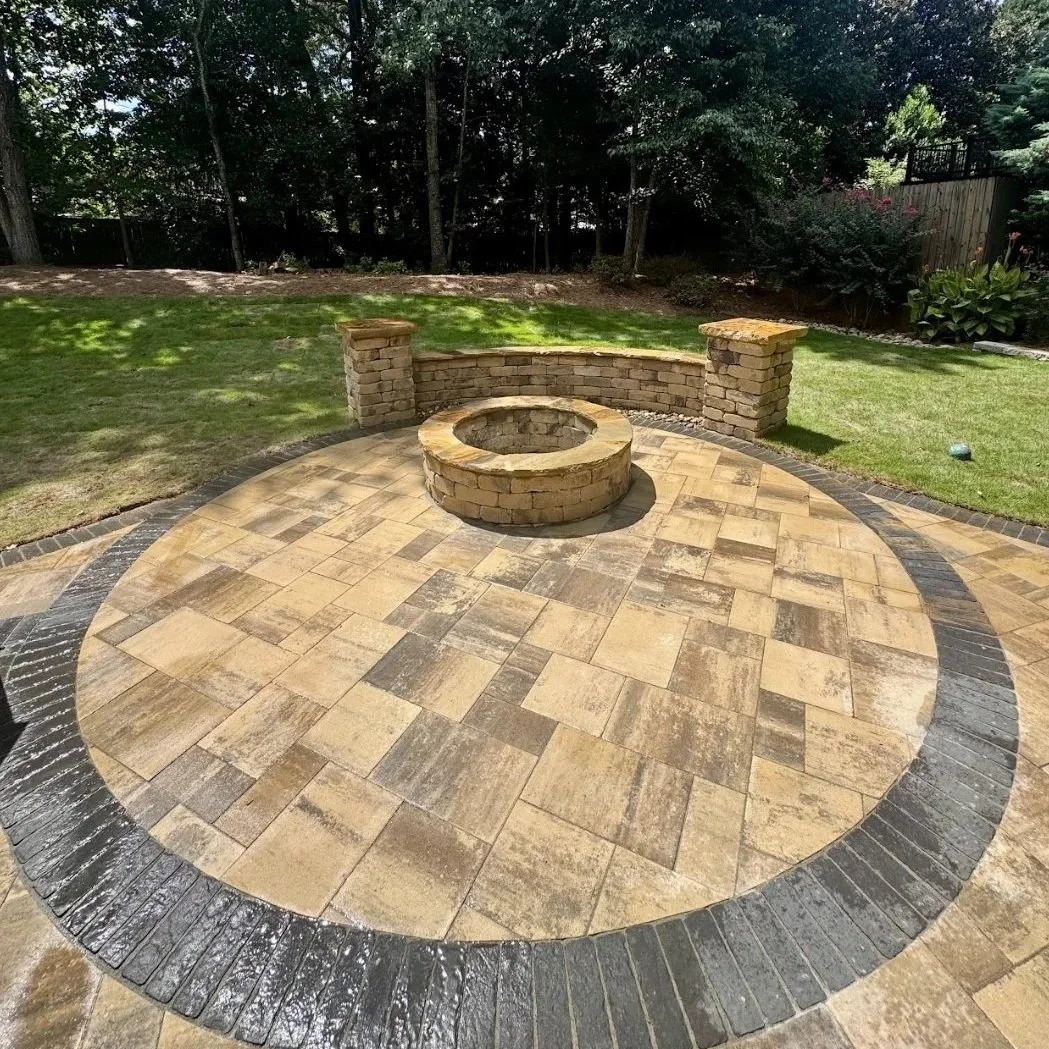
Enjoy your Gainesville backyard fire pit safely—always follow local permit and safety regulations.
Installing a fire pit in your backyard can turn an ordinary outdoor space into a cozy gathering spot. In Gainesville, GA, though, enjoying that warm glow comes with responsibilities. Fire pits are regulated for good reasons—protecting homes, preventing wildfires, and reducing smoke nuisances. Understanding how local permits and safety rules work will save you time, money, and stress, and help you enjoy your fire pit with confidence.
Understanding Outdoor Fire Pit Regulations in Gainesville, GA
Gainesville residents are governed by a layered set of rules that include City of Gainesville ordinances, Hall County fire guidelines, and Georgia state fire codes. Together, these rules dictate where, when, and how outdoor fire features can be used. Even if a fire pit is marketed as “backyard safe,” it may still need to meet specific setbacks, fuel restrictions, or permitting requirements.
Permits exist to reduce fire risks, protect nearby structures, and limit smoke impacts on neighbors. Ignoring these rules can lead to fines, orders to extinguish fires, or even legal liability if a fire spreads. Think of permits not as red tape, but as a framework that supports safe, enjoyable outdoor living.
Types of Outdoor Fire Features Covered by Regulations
Gainesville may regulate several types of outdoor fire features, including portable fire pits, permanent masonry pits, outdoor fireplaces, chimneys, fire bowls, and gas-powered fire tables. Each type can fall under slightly different standards depending on whether it uses open flames from wood or controlled fuel sources like propane or natural gas.
Some devices are treated as recreational fires, while others may be classified as open burning or part of a permanent structure. Wood-burning features typically face stricter limits than gas appliances with on/off controls. Correctly categorizing your fire pit is essential for knowing which permit path and safety rules apply.
City, County, and State Rules: How They Overlap
Gainesville homeowners must comply with city ordinances, Hall County fire service rules, and Georgia state fire codes. In certain situations—such as droughts or statewide burn bans—state rules can temporarily override local allowances for recreational fires.
Your jurisdiction also matters. Living within city limits versus unincorporated Hall County can change which office issues permits or enforces rules. Many projects must meet overlapping requirements, such as city zoning setbacks combined with state open-burning limits, so it’s important to check all applicable layers.
Do You Need a Permit for Your Fire Pit?
A permit is often required when building a permanent masonry fire pit, installing a built-in feature, connecting a gas line, or placing a pit close to structures or property lines. Size, height, and fuel capacity can also trigger permitting thresholds.
Small, portable, commercially manufactured fire pits used occasionally on single-family properties may not require a permit if they meet distance and size limits. However, “no permit required” never means “no rules.” These pits must still follow burn bans, fuel restrictions, and safety guidelines.
Factors like proximity to neighbors, combustible decks, overhead trees, zoning category, and property size can all affect whether a permit is required. The safest approach is to confirm your permit status before building.
How to Confirm Your Permit Status Before You Build
Start by reviewing the City of Gainesville and Hall County websites for fire ordinances and permit information. Then contact the local fire marshal’s office or building department with a brief description of your project, including dimensions, fuel type, and location.
Written confirmation—such as an email or official guidance—is ideal documentation. This step can prevent redesigns, fines, and forced removals later. Treat permit verification as a non-negotiable part of your planning checklist.
Planning a Code-Compliant Fire Pit Location
Fire pits must meet minimum setbacks from homes, fences, sheds, and property lines. These distances are designed to reduce radiant heat exposure, flying embers, and access barriers for emergency responders.
Your pit should sit on a non-combustible surface such as stone, concrete, or gravel. Avoid placing it on grass, mulch, or wooden decks unless specifically approved. Vertical clearance matters too—keep flames away from low branches, roof eaves, pergolas, and power lines.
Consider Gainesville’s wind patterns and smoke direction when choosing a location. Smart placement minimizes nuisance smoke and reduces neighbor complaints. Finally, ensure clear access paths for fire extinguishers, hoses, or emergency crews.
Designing a Safe and Code-Compliant Fire Pit
Safe fire pits follow recommended dimensions for diameter, wall height, and bowl depth. These proportions help contain logs and embers while limiting excessive heat spread.
Use fire-rated bricks, steel rings, refractory mortar, and heat-resistant stone. Avoid decorative materials not designed for high temperatures, as they can crack or explode. Built-in ventilation and drainage features support clean burning and prevent water damage.
Spark screens, ember guards, and stable grates greatly reduce accident risks. Whether you build DIY or hire a contractor, the design should align with the manufacturer's instructions and local codes.
Applying for an Outdoor Fire Pit Permit
Permit applications typically require your property address, fire pit type, fuel source, dimensions, and distances from structures. Simple site plans or drawings may be needed to show placement.
Be accurate and thorough when completing forms. Vague descriptions slow approvals. Expect modest fees and timelines ranging from days to weeks, depending on project complexity and departmental workload.
Inspections verify setbacks, materials, and compliance with approved plans. If your application is denied, review the feedback carefully. Most issues can be resolved by revising the design or relocating the pit.
Safety Rules for Operating Fire Pits in Gainesville
A responsible adult should always supervise a fire pit while it’s in use. Approved fuels include dry, seasoned hardwood, fire logs, and clean propane or natural gas. Never burn trash, treated wood, plastics, or yard debris.
Extinguish fires thoroughly by spreading coals, dousing with water, and stirring until all embers are cold. Keep extinguishing tools nearby at all times.
Excessive smoke can trigger complaints and enforcement action. Dry wood, proper airflow, and considerate timing reduce smoke output. Maintain a safety zone around the pit to protect children, pets, and guests.
Insurance, Liability, and HOA Considerations
Notify your homeowners' insurance carrier before installing a permanent or gas-connected fire pit. Insurers may adjust coverage or premiums based on risk.
HOAs can impose stricter rules than the city, including outright bans. Review covenants, submit design proposals if required, and document all approvals. Even fully permitted fire pits can draw complaints if neighbors feel affected, so courteous use matters.
Conclusion
Navigating outdoor fire pit permits in Gainesville, GA, means understanding overlapping city, county, and state rules, plus any HOA restrictions. Homeowners must determine whether a permit is required, research applicable codes, and select a fire pit type and location that meet safety and regulatory standards.
Careful planning—covering setbacks, materials, fuel types, and design details—lays the foundation for a smooth approval process and long-term enjoyment. Ongoing responsibility includes safe operation, proper maintenance, compliance with burn bans, and staying informed about code changes.
A permitted, well-designed fire pit is both a lifestyle upgrade and a commitment to community safety. With the right steps, Gainesville homeowners can enjoy backyard fires legally, safely, and confidently.
FAQs
In many cases, a permit is not required for a small, portable fire pit if it is a commercially manufactured unit and used occasionally on a single-family residential property. These fire pits are typically allowed as long as they meet placement rules and follow approved fuel guidelines. However, homeowners must still comply with any active burn bans and may only use permitted fuels such as seasoned firewood or manufacturer-recommended materials.
Most fire pits must be placed 10 to 25 feet away from structures, fences, trees, and property lines, depending on Gainesville and Hall County regulations. Adequate clearance prevents fire risks and keeps heat and smoke from affecting nearby buildings. Fire pits should always be placed on stable, non-combustible surfaces and away from low branches or flammable materials.
Yes. Wood-burning fire pits are more heavily regulated because they produce open flames and embers. They may be restricted during burn bans or poor air-quality days. Gas fire features, such as propane or natural gas units, often require mechanical or plumbing permits and must be installed by licensed professionals to ensure safe operation.
Using or installing a fire pit without proper approvals can lead to fines, orders to extinguish or remove the feature, and increased liability if an incident occurs. Following local requirements helps protect your property, your neighbors, and reduces legal and safety risks.
