
How to Design a Retaining Wall that Matches Your Home in Gainesville
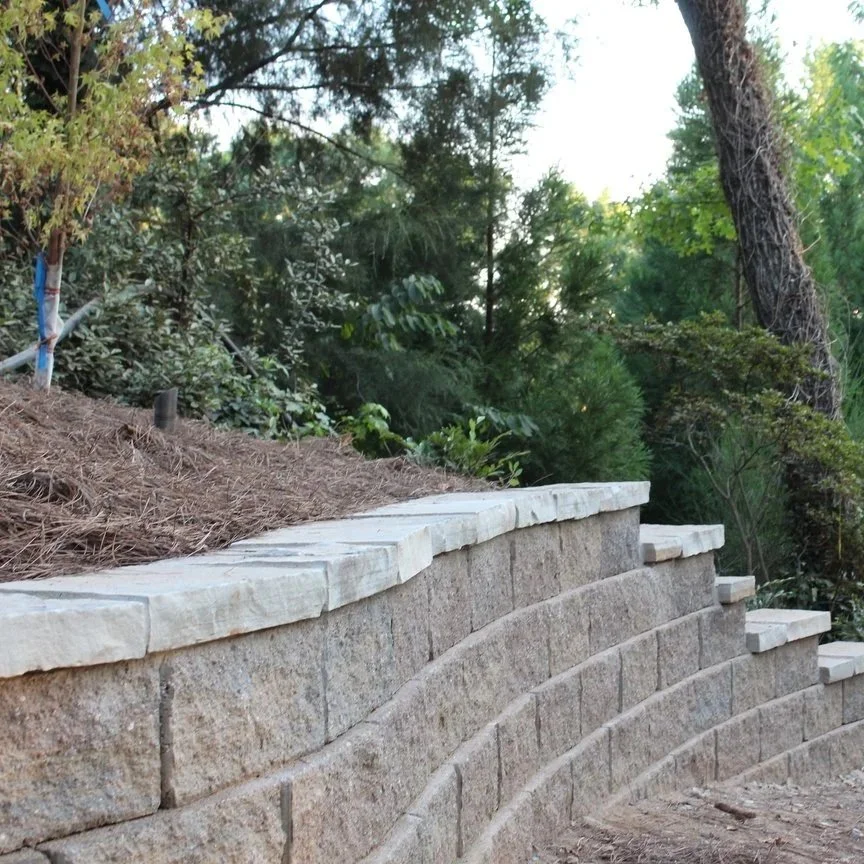
Strategic retaining walls transform Gainesville’s sloped terrain into usable outdoor living space while protecting the landscape from erosion and drainage issues.
Designing a retaining wall in Gainesville is about much more than holding back soil. A well-designed wall should solve real site problems while visually fitting the home and landscape as if it has always been there. Because Gainesville properties are on sloped terrain, with mixed clay and sandy soils, and frequent heavy rain, the best retaining walls balance structure, drainage, durability, and aesthetics from the very beginning.
Understanding the Purpose of Your Retaining Wall in Gainesville
Every good retaining wall design starts with a clear understanding of why the wall is needed. In Gainesville, retaining walls are commonly built to stabilize slopes, control erosion from intense summer rains, and manage elevation changes that would otherwise make a yard unusable. Soil movement can threaten foundations, driveways, patios, fences, and landscaping, especially where clay soils swell with moisture or sandy soils wash out during storms. A retaining wall is as much a protective structure as a landscape feature.
At the same time, retaining walls often unlock new usable space. By creating level terraces, homeowners can add lawns, gardens, patios, play areas, or outdoor kitchens where none existed before. The key is balancing function with appearance early in the planning process. When priorities are clear, such as safety first, usable space second, and visual appeal close behind, decisions about wall height, thickness, drainage, and layout become far more focused and effective.
Assessing Your Property’s Slope and Drainage Conditions
Before thinking about materials or colors, it is essential to understand how your yard actually behaves. Gainesville’s rolling topography means even small elevation changes can carry a lot of water during storms. Homeowners can visually estimate slope, use stakes and string levels, and pay close attention to where water flows or pools after rain. Observing the yard during or immediately after a storm often reveals more than any drawing ever could.
Existing drainage elements such as downspouts, swales, or French drains should be noted early. A retaining wall must work with natural water movement rather than block it. Walls that trap water behind them often fail prematurely due to hydrostatic pressure. For steep or complex slopes, consulting a local contractor or engineer early can prevent costly mistakes and redesigns later.
Defining Aesthetic Goals for Your Retaining Wall
Once functional needs are clear, aesthetics come into play. Some retaining walls are designed to blend seamlessly with the home, while others are intentionally designed to stand out as features. Matching materials, colors, and textures can create a smooth visual transition from the home’s exterior to outdoor spaces. Brick walls can echo brick facades, stone walls can complement stone accents, and textured concrete blocks can mirror stucco finishes.
Intentional contrast can also work beautifully when done thoughtfully. Lighter tones can brighten shaded yards, while darker tones can anchor sun-exposed spaces. Many Gainesville homeowners benefit from collecting inspiration photos, walking nearby neighborhoods, and thinking about how they want their property to feel five or ten years from now, not just immediately after construction.
Balancing Budget, Longevity, and Visual Appeal
Budget, durability, and appearance are tightly connected. Timber walls typically cost less upfront but require more maintenance and have shorter lifespans in Gainesville’s humid climate. Segmental concrete block systems sit in the middle range, offering durability and design flexibility. Natural stone often carries a higher initial cost but provides long-term durability and timeless appeal.
Heat, humidity, UV exposure, and frequent rain all affect material performance. Long-term costs such as sealing, cleaning, and repairs should be part of the decision-making process. In highly visible areas like front yards, investing more in materials that match the home and age gracefully often pays off both visually and financially.
When to Involve a Professional Engineer or Contractor
Not all retaining wall projects are good candidates for DIY. Taller walls, tiered systems, and walls near structures, driveways, or property lines often require professional design. Gainesville and Alachua County regulations may require permits or engineering based on wall height and loading, and local professionals understand these thresholds well.
Contractors and engineers bring more than construction skills. They evaluate soil conditions, calculate loads, design drainage systems, and navigate permitting requirements. Even a consultation can help homeowners avoid unsafe designs and costly corrections. Preparing questions about cost, timeline, materials, and warranties ensures that the final wall meets both structural needs and design goals.
Evaluating Gainesville’s Climate and Soil
Gainesville’s weather places heavy demands on retaining walls. Hot, humid summers and intense thunderstorms increase hydrostatic pressure behind walls, making drainage a top priority. Walls must be designed to withstand not just average rainfall but also prolonged or extreme rainfall events. Larger drainage zones, robust gravel backfill, and properly sized drains are not optional features in this region.
Soils vary widely across Gainesville. Sandy soils drain quickly but can shift if poorly compacted. Clay soils retain water and exert higher pressure when wet. Mixed soils can behave unpredictably. Simple homeowner tests, such as digging a small hole or observing drainage after rain, can offer clues, but professional soil evaluation is strongly recommended for taller walls. Understanding soil behavior is essential to preventing leaning, cracking, or settlement over time.
Groundwater and seasonal water table changes also matter. Areas that remain damp long after rain may indicate saturated soils behind the wall. Designs may need deeper drainage layers, base drains, or specific discharge paths. Guessing that water will “find its way out” is one of the most common and costly mistakes in retaining wall construction.
Matching Retaining Wall Design to Your Home’s Architecture
The most successful retaining walls feel architecturally connected to the home. Traditional or historic Gainesville homes often pair well with brick or natural stone, subtle curves, and classic masonry details. Modern homes benefit from clean lines, smooth-faced blocks, consistent colors, and minimal ornamentation.
Ranch, cottage, and bungalow-style homes look best with human-scaled walls that use smaller units, gentle curves, and integrated planting beds. Stucco or Mediterranean-style homes often pair well with warm-toned concrete, stone accents, and softly curved wall layouts. Across all styles, scale matters. A wall that is too tall or bulky can overwhelm a small home, while a tiny wall can look out of place next to a large structure.
Choosing Materials that Complement Your Home
Segmental retaining wall blocks are popular in Gainesville because they are durable, adaptable, and available in a wide range of textures and colors. Many systems can be engineered for taller walls and shaped into curves or terraces that suit both traditional and modern homes.
Natural stone offers unmatched character and works especially well in wooded or high-end settings, though it requires skilled installation and proper drainage. Brick walls provide classic appeal and blend seamlessly with brick homes, while timber walls may suit informal garden areas but demand careful maintenance in humid conditions. Some homeowners choose wood-look concrete or composite materials to capture the warmth of wood while offering greater durability.
Combining materials can create a custom look, such as stone-faced walls with brick caps or concrete block cores with stucco finishes. The key is restraint. One dominant material with subtle accents usually produces the most cohesive result.
Selecting Colors and Textures
Choosing color starts with understanding the home’s existing palette, including the roof, siding, trim, and hardscape. Retaining walls should frame and support these elements rather than compete with them. Slightly varied color blends often look more natural outdoors than flat, uniform colors.
Texture plays a major role in how the wall feels visually. Rough textures suit rustic or traditional homes, while smooth finishes complement modern designs. Gainesville’s bright sunlight exaggerates texture and shadow, making outdoor sample testing essential. Viewing samples at different times of day helps avoid surprises after installation.
Planning Layout, Shape, and Height
Wall placement affects both function and curb appeal. Front-yard walls shape first impressions, while backyard walls emphasize usability and privacy. Aligning walls with the home’s lines and the natural contour of the land creates a more intentional look.
Straight walls suit formal and modern styles, while curved walls soften landscapes and work well with informal designs. For taller slopes, tiered walls improve stability and appearance while often easing code compliance. Wall height should always consider safety, especially near walkways and play areas, and local regulations should be confirmed before finalizing plans.
Structural Basics That Ensure Durability
Understanding basic wall types helps homeowners make informed decisions. Gravity walls rely on mass, reinforced walls use footings and reinforcement, and mechanically stabilized walls rely on geogrid and block systems. Each has appropriate uses depending on height and load.
A properly prepared base is critical. Compacted gravel bases distribute loads and prevent settlement. Drainage behind the wall is equally essential, using gravel backfill and perforated drains to relieve water pressure. Walls supporting driveways, fences, or structures require special attention to loading and often professional design.
Designing for Drainage and Erosion Control
Surface water management above the wall is just as important as drainage behind it. Grading, swales, and proper downspout routing prevent excess water from reaching the wall. Drain discharge must be directed to safe areas that do not cause erosion or neighbor disputes.
Erosion control above and below the wall protects both the structure and the surrounding landscape. Groundcovers, mulch, and planting beds reduce soil loss and soften the wall’s appearance. Rain gardens and bioswales can further enhance drainage while adding environmental value.
Working Within Local Codes and Community Rules
Gainesville and Alachua County codes govern wall height, setbacks, and engineering requirements. HOAs may impose additional rules on materials and appearance. Reviewing these requirements early prevents costly changes later. Maintaining clear documentation of permits, designs, and approvals protects homeowners in the long term and simplifies future property transactions.
Integrating Landscaping and Outdoor Living
Plantings soften retaining walls and help them blend into the yard. Terraced gardens, seating walls, and integrated lighting can transform retaining walls into central design features. Coordinating materials with patios, walkways, and driveways ensures a cohesive outdoor environment.
DIY or Hiring a Professional
Small, low walls may be reasonable DIY projects for experienced homeowners. Larger, taller, or load-bearing walls are best left to professionals. Gainesville’s soil and rainfall make long-term performance highly dependent on correct design and construction. Hiring a qualified local contractor often saves time, money, and frustration over the life of the wall.
Budgeting and Long-Term Value
Wall size, height, materials, and site conditions drive cost. Investing in quality materials and drainage often reduces maintenance and repair expenses later. Well-designed retaining walls increase usable space and curb appeal, contributing positively to property value. Phasing projects over time can help manage budgets while maintaining a consistent design vision.
Maintenance and Longevity
Routine inspections after heavy rains help catch issues early. Cleaning, sealing, and vegetation management preserve appearance and function. Drainage outlets should be checked regularly to ensure water continues to flow freely. When structural concerns arise, professional evaluation is the safest path forward.
Conclusion
Designing a retaining wall that truly matches your Gainesville home requires thoughtful planning that blends function, structure, climate awareness, and design. By understanding your site’s slope and soil, choosing materials and colors that complement your home, and prioritizing drainage and safety, a retaining wall becomes more than a necessity. It becomes an integrated, long-lasting part of your property that enhances both usability and appearance. With careful design and the right level of professional guidance, Gainesville homeowners can create retaining walls that feel natural, perform reliably, and look right at home for decades.
FAQs
Height limits vary, but walls beyond modest heights or those supporting loads often require permits and engineering. Local regulations should always be verified before construction.
Concrete block systems, reinforced concrete, and properly designed stone walls perform best when drainage is handled correctly.
Start by identifying your home’s dominant colors and textures, then test material samples outdoors in real light to ensure harmony.
Small, low walls may be suitable for DIY, but taller or load-bearing walls are safest when designed and built by experienced professionals.
