
Do You Need a Permit for a Backyard Fire Pit in Gainesville?
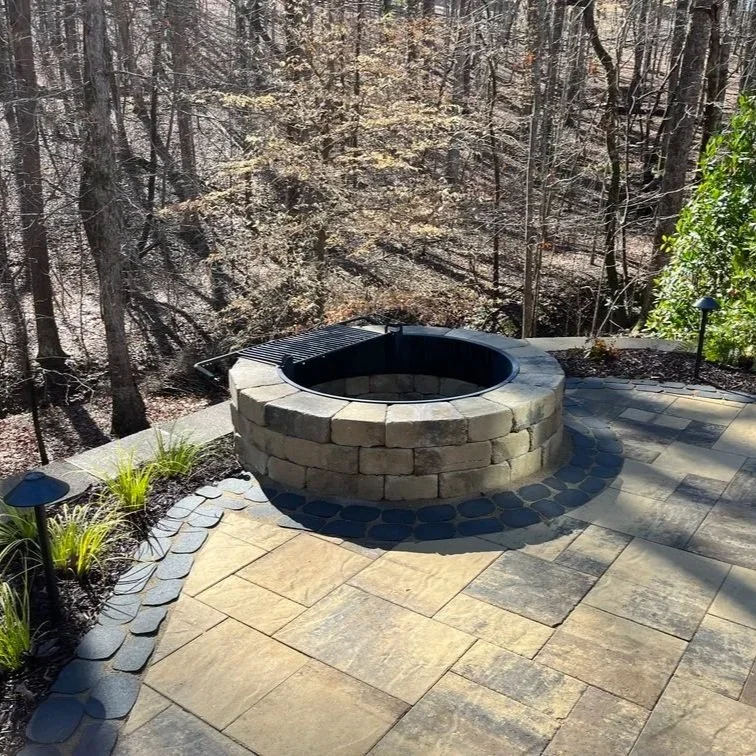
A cozy Gainesville backyard fire pit setup for safe evening gatherings and outdoor cooking.
Backyard fire pits have become a favorite feature for Gainesville homeowners who want to enjoy cool evenings, roast marshmallows, or simply create a cozy outdoor gathering spot. But before lighting that first flame, it’s important to understand the local rules that govern outdoor fires. Florida has statewide fire codes, but cities like Gainesville often add their own regulations on top. Whether you need a permit, what you’re allowed to burn, and where you can place a fire pit all depend on a mix of state law, city ordinances, and sometimes county rules.
This guide walks you through how backyard fire pit regulations work in Gainesville, when permits are required, and what responsible ownership really looks like.
Understanding Backyard Fire Pit Regulations in Gainesville
Backyard fire pits in Gainesville are regulated by several authorities. Gainesville Fire Rescue enforces fire safety and burning rules, while the City of Gainesville Building Department and Code Enforcement handle permanent structures and zoning issues. If you live outside city limits, Alachua County Fire Rescue and county code officials may apply instead.
Florida follows the Florida Fire Prevention Code, which is largely based on national NFPA standards. Gainesville can add local ordinances on top of that, so residents should never rely only on general Florida fire pit advice. City and county rules can differ, and codes do change over time. The safest approach is to check Gainesville-specific information on official government websites or call the fire marshal’s office directly.
Fire pits are regulated for good reasons. Open flames can spread quickly during dry or windy conditions, and flying embers can ignite fences, decks, or nearby vegetation. Smoke also creates public health and nuisance issues, especially in dense neighborhoods where it can aggravate asthma or drift into nearby homes. These rules are meant to protect families, neighbors, and first responders, not just add paperwork.
Gainesville, like many jurisdictions, distinguishes between small recreational fires and open burning. A recreational fire is usually a contained, small fire used for ambiance, warmth, or cooking. Open burning refers to burning trash, yard debris, or land-clearing waste. Recreational fires are often treated more leniently, while open burning almost always requires a permit or is prohibited in residential areas. Understanding this difference is the first step in knowing what’s legal.
To confirm current regulations, homeowners should check the City of Gainesville website for “open burning” or “recreational fire” policies, review Gainesville Fire Rescue guidance, or call the fire marshal or non-emergency fire department number. It’s also important to confirm whether a property is inside city limits or under county jurisdiction. Seasonal burn bans and drought restrictions can temporarily override normal rules.
Many residents assume that all small fire pits are automatically legal, that store-bought pits don’t follow any rules, or that if a neighbor has one, theirs must be okay too. In reality, legality depends on clearance distances, fuel type, supervision, smoke control, and more. Ignorance of the law won’t protect anyone from fines or liability if damage occurs.
Do You Actually Need a Permit for a Backyard Fire Pit in Gainesville?
For many homeowners, a small, contained recreational fire pit does not require a formal permit if it meets certain conditions. These usually include limits on fire size, safe distances from structures and property lines, adult supervision, and burning only approved materials. Even when no permit is required, all safety and nuisance rules still apply.
Permits become more likely when fires are larger than typical recreational use, when a fire pit is permanent or built into a patio, or when it’s used for burning yard waste instead of recreation. Built-in masonry fire pits and outdoor fireplaces may require building permits and inspections. Commercial properties, rental properties, or venues that provide fire features for guests often face stricter requirements.
Fire-related permits are typically issued by Gainesville Fire Rescue for burning activities and by the City of Gainesville Building Department for permanent structures. Properties outside city limits may fall under Alachua County agencies. Homeowners should clearly explain their plans—portable pit, custom masonry pit, gas fire table, or yard debris burning—so they’re directed to the right office.
Permit costs vary. Small recreational fires may require no fee at all. Open burning permits or building permits for permanent fire features can involve application and inspection fees. Indirect costs may include design plans, contractors, or safety equipment. These costs are almost always far less than fines or damage from an unsafe, unpermitted fire pit.
Using a fire pit that should have been permitted but wasn’t can lead to warnings, fines, and orders to extinguish or remove the pit. In serious cases involving damage or injury, homeowners could face lawsuits and insurance complications.
Types of Backyard Fire Pits and How Rules Differ
Portable metal fire pits and bowls are popular because they’re inexpensive and easy to move. Despite being store-bought, they must still follow clearance, fuel, and supervision rules. Portability doesn’t make them exempt from fire codes.
Built-in masonry or stone fire pits are considered permanent structures and are more likely to require permits and inspections. They must meet construction standards for footing, materials, height, and distance from buildings.
Outdoor fireplaces, chimineas, and fire tables each come with their own considerations. Gas fire tables and built-in fireplaces connected to fuel lines often require mechanical or building permits. Even decorative gas units must follow manufacturer clearance instructions.
DIY fire pits are common but risky if not planned carefully. Homeowners often build too close to structures or use materials that can’t handle heat. A non-compliant DIY pit can become a serious liability.
Charcoal grills and fire pits are treated differently under most codes. Grills are considered cooking appliances, while fire pits are open recreational fires and face stricter placement and use rules.
Location Rules: Where You Can Place a Fire Pit in Gainesville
Fire pits must be placed a safe distance from homes, garages, sheds, fences, and other structures. Many jurisdictions use minimum clearances of 10 to 25 feet, but exact numbers should be verified locally. Vertical clearance from roof eaves, pergolas, and tree branches also matters.
Property line setbacks help prevent conflicts and reduce fire spread risk. Even if a fire pit is technically on your property, placing it too close to a neighbor’s fence or windows can violate code or trigger complaints.
Fire pits are often restricted or prohibited on wooden decks, balconies, and porches, especially in apartments and condos. Wooden surfaces and elevated structures significantly increase fire risk.
Overhead clearance is just as important. Tree branches, awnings, and rooflines can catch embers or be damaged by prolonged heat exposure.
Fire pits should sit on stable, non-combustible surfaces such as concrete, stone, gravel, or compacted soil. Grass, mulch, and uneven ground increase the risk of tipping and hidden smoldering.
What You’re Allowed to Burn in a Gainesville Backyard Fire Pit
Approved fuels usually include dry, seasoned firewood and natural logs. These burn cleaner, produce less smoke, and are easier to control.
Prohibited materials include trash, plastics, cardboard, treated or painted wood, plywood, tires, construction debris, and yard waste unless separately permitted. These materials release toxic fumes and heavy smoke.
Construction debris and bulk waste are especially problematic because of chemicals and adhesives. These should always be disposed of through proper waste services.
Even approved fires can be shut down if they create excessive smoke or become a nuisance. Weather conditions strongly affect smoke behavior.
Burn bans may be issued during droughts or high fire danger periods. During a ban, all outdoor burning—including some fire pits—may be prohibited.
Fire Pit Safety Requirements in Gainesville
Homeowners should always have fire control equipment on hand, such as a garden hose, bucket of water or sand, or a fire extinguisher.
A responsible adult must supervise the fire at all times. Children should never be left in charge of an active fire.
High winds, drought, and red flag warnings make fire pit use dangerous. These conditions should be treated as a signal to skip outdoor fires.
Safe operation includes lighting fires without flammable liquids, keeping flames at a manageable height, and fully extinguishing fires before leaving.
If a fire gets out of control, call 911 immediately and attempt suppression only if it’s safe to do so.
Gainesville Zoning, HOA, and Community Restrictions
Zoning laws may restrict where permanent fire features can be built. Some residential zones have stricter setback or accessory structure rules.
HOAs often impose additional restrictions or bans on fire pits. These rules are enforceable even if a fire pit is legal under city law.
Apartment and rental properties usually prohibit open flames on balconies, patios, and common areas.
Neighbors can file complaints through non-emergency lines or code enforcement. Officers may inspect and issue warnings or fines.
Balancing enjoyment with courtesy goes a long way. Occasional, considerate use is far more likely to be accepted.
Choosing a Code-Compliant Fire Pit in Gainesville
Homeowners should follow the manufacturer's instructions and look for certified products. These guidelines usually align with fire codes.
Size and design matter. Oversized or elaborate pits may be harder to keep within clearance rules.
Gas fire pits produce less smoke but may require permits for fuel line connections.
Accessories like spark screens, fire-resistant mats, and lids improve safety and compliance.
For permanent installations, working with professionals helps ensure code compliance and smooth inspections.
Conclusion
Backyard fire pits can be a wonderful addition to a Gainesville home, but they come with clear responsibilities. Whether a permit is required depends on the type of fire pit, how it’s used, and where it’s located. Understanding the difference between recreational fires and open burning, following fuel and placement rules, and meeting safety requirements are essential.
Responsible ownership also means being considerate of neighbors, complying with HOA and zoning rules, and thinking about insurance and liability. By doing the homework up front and operating fire pits safely, Gainesville residents can enjoy cozy backyard fires without putting their homes or communities at risk.
FAQs
Often no, if it’s used for small recreational fires and meets clearance, fuel, and supervision rules. Always verify with local authorities.
Usually dry, seasoned firewood or natural logs. Trash, treated wood, yard waste, and construction debris are typically prohibited.
Clearance distances vary but often range from 10 to 25 feet. Check local rules for exact requirements.
Usually not. Most leases and HOA rules prohibit open flames on balconies and raised structures.
Start with a polite conversation. If the issue continues, contact Gainesville Fire Rescue or code enforcement through non-emergency channels.
