
Creating a Cozy Fire Pit Seating Area in Gainesville
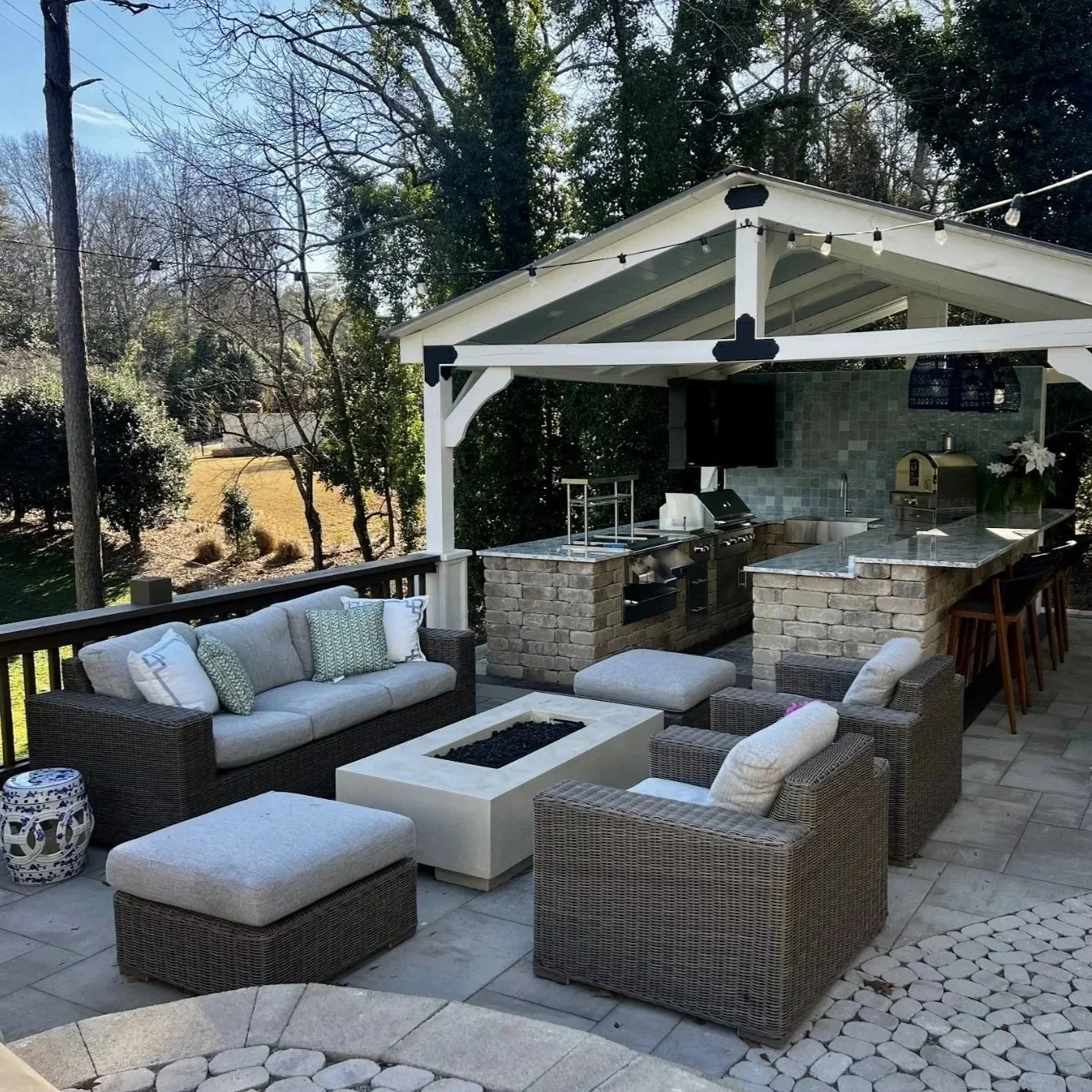
A stylish, comfortable fire pit retreat designed for Gainesville’s climate, perfect for social gatherings and relaxing evenings outdoors.
Designing a fire pit seating area in Gainesville combines practical planning with lifestyle-focused comfort. The city’s humid subtropical climate, social backyard culture, and local regulations all influence the best choices for fire pit type, materials, seating, and landscaping. From assessing your yard’s unique microclimate to layering lighting and textiles, every element contributes to a safe, inviting space that can be enjoyed year-round. Here’s a professional guide to creating a cozy fire pit retreat tailored to Gainesville’s environment and lifestyle.
Understanding Gainesville’s Climate and Lifestyle
Gainesville experiences hot, humid summers and mild winters, making fire pits most appealing during fall and winter evenings when temperatures dip into the 50s or 60s. Shoulder seasons like spring and late fall can also support occasional fires, so designing a space that remains functional across temperature changes is important. Humidity, frequent rain, and occasional storms affect material choices, encouraging weather-resistant metals, treated woods, and mildew-resistant cushions. Year-round plant growth, pollen, and falling leaves also influence cleaning routines and fire safety measures.
The city’s outdoor-oriented culture shapes how residents use their backyards. UF students, young professionals, families, and retirees all bring unique priorities to fire pit design—from large, flexible seating for social gatherings to kid-friendly layouts for family evenings. Recognizing these lifestyle needs ensures your space supports both entertainment and relaxation.
Planning for Seasonal Comfort
While cooler months drive fire usage, the seating area should remain comfortable when the fire isn’t lit. Incorporating shade structures like umbrellas or pergolas, breathable fabrics, and flexible furniture allows the space to function in spring and summer. Neutral decor and adaptable furnishings let homeowners switch between seasons with minimal effort, while adding elements like side tables, planters, or a small water feature keeps the area usable even on warm nights.
Understanding your backyard’s microclimate is equally important. Wind, shade, moisture, and drainage patterns vary even within a single yard. Avoid low-lying, damp spots and choose locations with natural wind protection to minimize smoke issues. Proximity to trees, fences, or neighboring structures affects airflow and comfort, so observing your yard across seasons helps ensure a safer, more durable fire pit environment.
Fire Pit Goals, Style, and Compliance
Before buying materials or furniture, clarify how you’ll use the fire pit. Are you planning quiet family nights, large gatherings, or a versatile social space? Your goals determine pit size, seating capacity, and layout. Selecting a style—rustic, modern, tropical, or boho—keeps the design cohesive, matching the home’s architecture and personal taste.
Local rules and regulations are critical. Gainesville and Alachua County have ordinances covering open flames, fuel types, spark screens, and fire setbacks from structures. Some neighborhoods or HOAs may impose stricter rules, including bans on wood-burning pits or screening requirements. Renters should explore portable propane or electric options when permanent pits aren’t allowed. Always check with local authorities and document permissions to ensure safety and compliance.
Selecting the Right Fire Pit
Fire pits come in in-ground, above-ground, portable, and built-in masonry options, each with pros and cons. In-ground pits blend naturally but require drainage planning for Gainesville’s rainy climate. Above-ground pits, including gas fire tables, offer flexibility, easier maintenance, and more heat control. Portable bowls suit renters or those experimenting with layouts, while DIY masonry pits create a long-lasting backyard centerpiece if constructed with proper liners and heat-rated materials.
Choosing between wood-burning and gas involves balancing ambiance with safety. Wood provides a classic crackle but generates sparks and smoke, requiring spark screens and more clearance. Gas offers controllable flames, minimal smoke, and quicker ignition, making it ideal for neighborhoods with close homes or stricter regulations. Fire pit size and heat output should match your seating plan, ensuring comfort without overwhelming guests.
Materials and Seating for Gainesville
Fire pits need heat-resistant materials such as fire brick, concrete, or metal rated for high temperatures. Gainesville’s humidity and temperature swings make durable, high-quality materials essential to prevent cracking or rust. Seating should be weather-resistant: powder-coated aluminum, teak, composite, or all-weather wicker perform well, while cushions should use quick-dry, mildew-resistant fabrics like solution-dyed acrylic. Removable covers and storage solutions prolong their lifespan.
The surrounding ground plane can be paved with stone, concrete pavers, or gravel to improve drainage, define the seating area, and reduce fire risk. Light-colored surfaces stay cooler in the sun, and combining materials—for example, pavers near the pit and gravel borders—balances aesthetics, comfort, and maintenance. Routine inspection for rust, corrosion, and wear ensures longevity, especially in Gainesville’s wet climate.
Layout, Comfort, and Functionality
Designing the seating arrangement requires attention to size, shape, and flexibility. Circles encourage communal conversation, semi-circles open toward views or the house, and U-shapes accommodate tables or storage. Seat height, depth, and distance from the flame affect physical comfort, while side tables, ottomans, or storage benches enhance usability. Flexible furniture supports different group sizes and activities—from intimate evenings to larger gatherings.
Consider wind direction, smoke patterns, and neighbors when placing the fire pit. Avoid low-lying or overly exposed areas, and use windbreaks safely if needed. Placement near the house adds convenience but requires adherence to setback rules. Integrating landscaping, existing patios, and pathways ensures the fire pit feels naturally embedded in the backyard. Planning for future additions like shade structures, outdoor kitchens, or extended seating preserves flexibility.
Landscaping, Privacy, and Ground Treatments
Safety and aesthetics converge in landscaping choices. Plant low-flammability, high-moisture species near the fire, maintaining a clear buffer zone to prevent accidental ignition. Native and Florida-friendly plants minimize maintenance while supporting wildlife and visual appeal. Privacy screens, hedges, or trellises create a secluded atmosphere, while paths and edging guide movement and define the fire pit zone. Decorative elements such as stones, non-flammable mulch, or garden art add personality without compromising safety.
Gainesville’s lush conditions require ongoing maintenance—pruning, leaf cleanup, and surface management- to prevent fire hazards and enhance comfort. Combining functionality with visual appeal ensures the area remains welcoming year-round.
Lighting and Ambiance
Layered lighting balances ambiance and safety. Ambient lighting covers general areas, task lighting illuminates paths and prep zones, and accent lighting highlights trees, walls, or water features. String lights, lanterns, and portable lamps create a cozy, flexible atmosphere, while low-voltage or solar path lights prevent trips. Accent lighting reinforces orientation and visual interest, especially in dense, leafy landscapes. Electrical and solar power options should be weatherproof, code-compliant, and positioned to complement any gas pit ignition or outdoor electronics.
Sound and music enhance the atmosphere. Outdoor Bluetooth speakers or built-in audio can support background music, while natural sound elements like water features or wind chimes add subtle layers. Mindful volume control respects neighbors and preserves the tranquil vibe of the fire pit retreat.
Dining, Cooking, and Entertainment
A fire pit area can double as an entertainment hub. Classic options include marshmallow roasting and s’mores, while casual snacks, skewers, or foil packets add versatility. If space allows, a nearby grill or outdoor kitchen can support larger meals, keeping the fire pit for relaxation. Dining furniture should be positioned slightly apart from the flame for safety and flexibility, with durable, easy-to-clean surfaces. Outdoor TVs, projectors, or yard games can enhance entertainment without overwhelming the seating zone. Storage for blankets, cushions, games, and tools maintains a tidy, functional space.
Budgeting, Phasing, and ROI
Creating a fire pit area can fit various budgets. Portable pits and simple seating are cost-effective, while custom masonry or gas installations are pricier but long-lasting. Homeowners can phase the project: start with the pit and basic seating, then add landscaping, lighting, and permanent structures over time. Knowing what’s realistic for DIY versus professional installation—especially for gas lines or electrical components—is crucial in Gainesville’s climate. Smart material choices, seasonal sales, and repurposing existing items stretch budgets while maintaining style. Beyond cost, a well-designed fire pit enhances daily enjoyment and long-term property value, making it a worthwhile investment.
Bringing It All Together: Styling and Personalization
A cohesive color palette and theme unify the fire pit area. Use two to three main colors with accent shades that complement the home and landscape. Decorative accessories like planters, outdoor art, or functional fire pit tools personalize the space. Define zones—fire-side seating, dining, and play or garden areas—to improve flow and usability. Reflect local characters with Gator-themed accents, local artwork, or references to Gainesville’s natural attractions, creating a space that’s both stylish and rooted in place. A thoughtful mix of comfort, function, and personality ensures the fire pit becomes a cherished retreat.
Conclusion: Enjoying Your Gainesville Fire Pit Retreat
Creating a cozy fire pit seating area in Gainesville requires careful planning for climate, regulations, and lifestyle. Selecting weather-resistant materials, safe placement, flexible seating, and functional landscaping sets the stage for enjoyable, year-round use. Layered lighting, textiles, shade, bug control, and entertainment options enhance comfort, while thoughtful design reflects your personal style and the city’s outdoor-oriented culture. Approaching the project in phases or all at once, with ongoing maintenance, ensures your fire pit area remains a welcoming, versatile space for years to come—a true backyard retreat for family, friends, and quiet evenings under the stars.
FAQs
Wood-burning fire pits provide a classic ambiance but require spark screens, clearance from structures, and careful maintenance due to smoke and embers. Gas or propane pits offer cleaner, more controllable flames and fewer sparks, making them easier to comply with local regulations, especially in dense neighborhoods or HOA areas. Your choice should balance ambiance, neighborhood rules, and comfort with fire management.
Typical setbacks suggest keeping fire pits at least 10–15 feet from structures, fences, overhangs, or trees. Exact distances vary by city, county, and HOA regulations. Position the pit to allow safe movement, consider smoke direction, and maintain a clear buffer zone around flammable materials.
Use heat-rated fire bricks, concrete, or metal for the pit itself. Outdoor seating should be powder-coated aluminum, treated wood, teak, composite, or all-weather wicker. Cushions and textiles should use mildew-resistant, quick-dry fabrics, preferably with removable covers. Regular cleaning, protective covers, and proper storage are essential to prevent rust, mold, and wear.
Costs vary widely: portable fire bowls or tables may range from $200–$1,500, while custom masonry or gas pits with seating and landscaping can reach $5,000–$15,000 or more. Simple DIY tasks like furniture setup or gravel installation are realistic, but professional help is recommended for gas lines, electrical work, or structural masonry. Phasing the project allows spreading costs over time while creating a safe, durable space.
