
Common Retaining Wall Problems and How to Fix Them in Gainesville
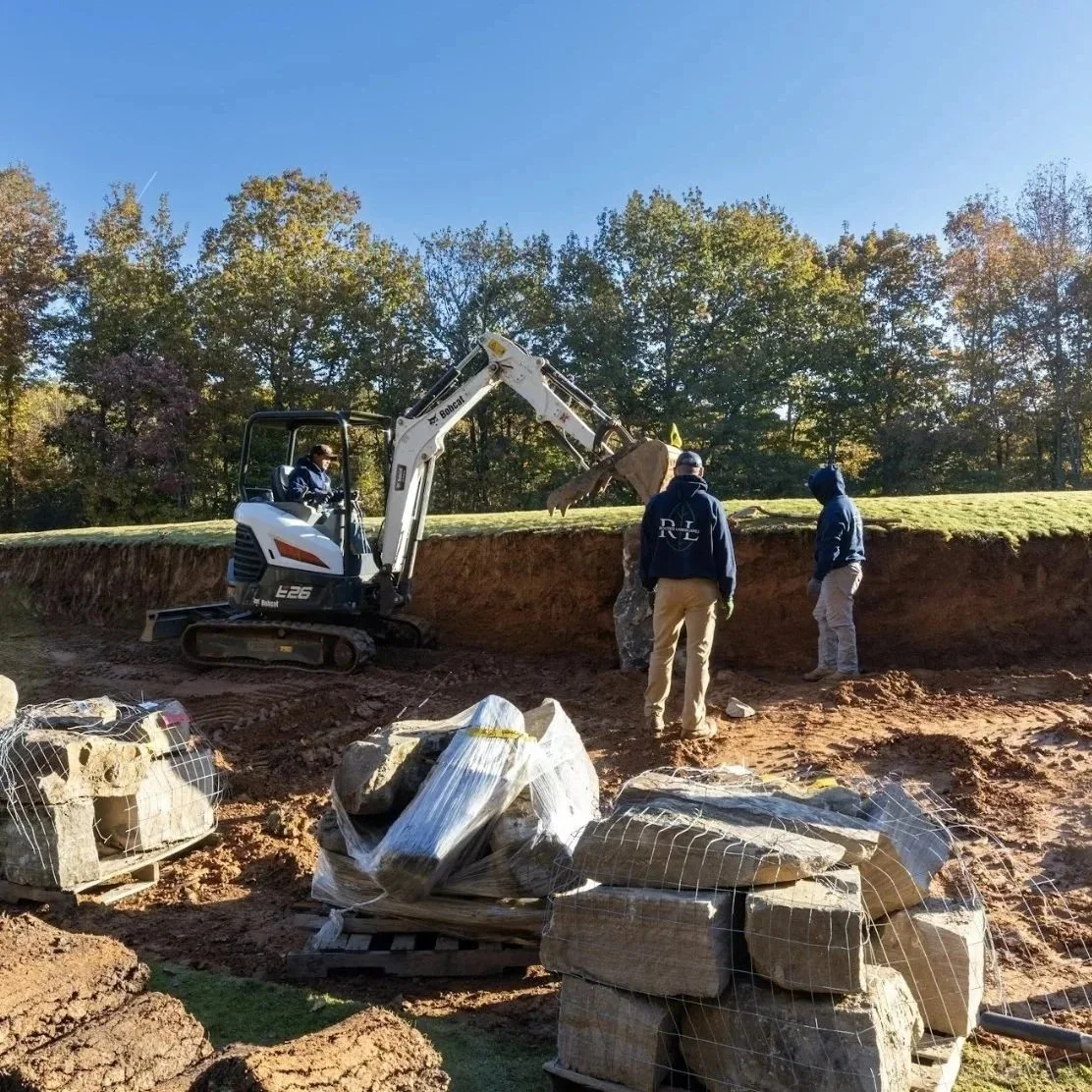
Expert repairs address common Gainesville retaining wall issues like hydrostatic pressure, soil settlement, and drainage failure to ensure long-term stability.
Introduction: Understanding Retaining Wall Problems in Gainesville
Retaining walls are a defining feature of many Gainesville properties, especially in neighborhoods with hills, sloped yards, and changing grades. They help hold soil in place, manage runoff during heavy rain, and protect foundations, driveways, patios, and landscaping from erosion and movement. When properly designed and maintained, retaining walls make steep or uneven land usable and visually appealing.
When retaining walls start to fail, the issue goes far beyond appearance. A compromised wall can create serious safety hazards, redirect water toward structures, damage neighboring properties, and expose homeowners to liability. In Gainesville’s wet, humid climate, small warning signs can escalate quickly after heavy storms. Understanding common retaining wall problems and addressing them early is one of the best ways to protect both your property and your investment.
How Gainesville’s Climate and Soil Affect Retaining Walls
Gainesville’s humid subtropical climate brings frequent rainfall, high humidity, and periodic tropical systems, which constantly stress retaining walls. Rapid wet–dry cycles cause soils to expand and contract, while prolonged saturation increases hydrostatic pressure behind walls.
Over time, these forces test the limits of even well-built structures.
Local soil conditions also play a significant role. Some areas have sandy soils that drain quickly but erode easily, while others contain clay-heavy subsoils that retain water and exert strong lateral pressure when wet. Many retaining wall problems are predictable outcomes of this climate and soil interacting with aging construction, poor drainage, or designs that were never meant to handle current conditions.
Overview of Common Retaining Wall Issues
Homeowners in Gainesville commonly encounter leaning or tilting walls, cracking, bulging, drainage failures, settlement, rotting timber, surface staining, shifting blocks, and vegetation-related damage. Each problem has recognizable visual clues, from hairline cracks and damp spots to obvious bowing or soil washouts. The sections below explain how to identify these problems, understand their causes, and determine whether repair or replacement is the right solution.
Safety First: When a Retaining Wall Becomes an Emergency
Certain warning signs indicate an immediate risk of failure. Rapid leaning or bulging, large or widening cracks, sections separating from the rest of the wall, sudden soil loss, or movement in walls supporting driveways or structures should be treated as urgent concerns. These risks increase after intense Gainesville rainstorms, when saturated soil adds sudden pressure.
In these situations, it is best to keep people and pets away from the area and contact a retaining wall or structural professional. Minor cosmetic issues can often be monitored, but safety and structural integrity must always come before appearance.
Recognizing Early Warning Signs of Retaining Wall Failure
Leaning, Tilting, or Bowing
A retaining wall that leans forward, tilts backward, or bows outward in the middle is under stress. Early lean may be subtle and detectable only by sighting along the wall or using a level. In Gainesville, saturated soils can quickly turn a slight lean into a serious problem, especially during prolonged rainy periods. Leaning usually points to drainage, footing, or reinforcement issues rather than simple aging.
Cracks in Concrete, Block, or Mortar
Cracks come in many forms. Vertical cracks may indicate settlement, horizontal cracks often suggest pressure buildup, and stair-step cracks in block or brick walls can signal differential movement. Hairline cracks may be cosmetic, but wider or changing cracks should be monitored carefully, especially after heavy rains.
Bulging or Localized Deformation
Bulging occurs when pressure behind the wall overwhelms a specific section. These outward curves often appear where drainage is poor or construction was weakened. Bulges are especially risky because failure can happen suddenly once soil becomes saturated.
Water Stains, Wet Areas, and Erosion
Dark staining, algae growth, rust marks, or damp patches point to water problems. Soil erosion at the base or ends of a wall often indicates runoff issues. In Gainesville, water-related signs almost always precede structural damage.
Loose or Missing Caps and Blocks
Loose caps or shifting blocks allow water into the wall system, accelerating deterioration. Thermal expansion, root movement, and repeated wetting can loosen these components over time. While some cap repairs are simple, they may also signal deeper settlement.
Problem 1: Leaning or Tilting Retaining Walls
Leaning walls in Gainesville are commonly caused by poor drainage, undersized footings, inadequate reinforcement, or poorly compacted backfill. Heavy rainfall and clay soils magnify these weaknesses, especially in older timber or gravity walls built without modern engineering. Added loads from fences, patios, or vehicles can also push walls beyond their original capacity.
A slight lean that has remained stable for years may be monitored, but progressive movement, cracking, or bulging usually means structural repair is needed. Temporary safety measures include redirecting water away from the wall and removing heavy loads near the top. Long-term solutions range from installing anchors or tie-backs to rebuilding sections or replacing the wall entirely with a properly engineered system. Preventing future leaning depends on good drainage, appropriate wall design, and ongoing maintenance.
Problem 2: Cracked Retaining Walls
Cracks form when walls experience movement, pressure, or material deterioration. In Gainesville’s moist climate, water saturation behind walls is a major contributor, especially when drainage is inadequate. Settlement, tree roots, temperature changes, and corrosion of reinforcement can also play a role.
Surface cracks without movement can often be sealed and monitored, but structural cracks with displacement usually require professional repair or replacement. DIY repairs, such as masonry sealants or mortar repointing, can help with minor issues, but they must be paired with drainage improvements to be effective. Professionals may use anchors, reinforced rebuilds, or full reconstruction for more severe cases.
Problem 3: Bulging or Bowed Retaining Walls
Bulging occurs when soil and water pressure exceed the wall’s strength. Poor backfill, missing reinforcement, and saturated soils are common causes. In Gainesville, heavy rain can rapidly increase pressure, making bulging a serious warning sign.
Early detection allows more repair options, such as reinforcement or anchoring. Advanced bulging often means partial or full reconstruction is safer. Repairs should always include improved drainage and proper backfill materials to prevent recurrence.
Problem 4: Drainage Failures and Water Buildup
Drainage problems are among the most common causes of retaining wall failure. Signs include water seeping through joints, persistent dampness, ponding at the base, or soggy soil behind the wall. Many older Gainesville walls lack proper drainpipes, gravel backfill, or filter fabric.
Drainage retrofits may include adding weep holes, surface drains, or excavating behind the wall to install proper drainage systems. Managing surface water with grading, swales, and downspout extensions is equally important, especially during intense downpours.
Problem 5: Sinking, Settling, or Sliding Walls
Settlement appears as uneven wall heights, gaps beneath sections, or tilting segments. In Gainesville, loose fill, clay expansion, erosion, and prolonged saturation contribute to these issues. Minor historic settlements may be stable, but ongoing movement signals deeper problems.
Stabilization methods include underpinning with piers or rebuilding the wall on a properly engineered base. Preventing future settlement relies on proper site preparation, compaction, reinforcement, and drainage planning.
Problem 6: Rotting or Deteriorating Timber Retaining Walls
Timber walls are especially vulnerable in Gainesville’s humid climate. Moisture, insects, and age lead to rot, cracking, and loss of strength. Soft wood, failed fasteners, leaning sections, and soil leakage are signs that a timber wall may be past its service life.
Minor repairs may provide short-term relief, but widespread decay usually means replacement is the safest option. Many homeowners upgrade to concrete block, stone, or reinforced systems better suited to local conditions.
Problem 7: Efflorescence, Staining, and Surface Deterioration
Efflorescence appears as white powdery residue caused by moisture moving through masonry. While often cosmetic, it indicates the presence of water. Persistent staining, algae, or spalling suggest deeper moisture issues.
Cleaning and breathable sealers can help once drainage and cracks are addressed. Treating surface symptoms without solving moisture sources will only provide temporary improvement.
Problem 8: Loose or Displaced Blocks and Stones
Segmental block walls rely on proper interlock and backfill. Poor installation, missing reinforcement, or soil movement can cause blocks to shift. Isolated loose units may be reset, but widespread movement often requires rebuilding with improved base preparation and drainage.
Problem 9: Vegetation and Landscaping Damage
Tree roots, aggressive plantings, and vines can exert pressure, trap moisture, and hide damage. In Gainesville’s lush environment, landscaping choices play a major role in wall health. Proper planting distances, root management, and controlled irrigation help reduce long-term risk.
Problem 10: Poor Construction and Design Errors
Common mistakes include inadequate bases, missing reinforcement, poor drainage, and mismatched wall types. These flaws are quickly exposed in Gainesville’s wet climate. Corrective solutions often involve professional evaluation and rebuilding to modern standards.
Problem 11: Maintenance Neglect
Regular inspections and basic upkeep are essential. Clogged drains, unchecked vegetation, and ignored cracks allow minor issues to grow. A simple seasonal inspection routine can dramatically extend a wall’s lifespan.
Problem 12: Codes, Permits, and Liability
Retaining walls above certain heights or supporting structures often require permits and engineering. Noncompliant walls can create legal and financial risks. Working with licensed local professionals ensures safety, compliance, and long-term performance.
Deciding Between Repair, Replacement, and Redesign
The right approach depends on wall age, condition, performance history, and cost-benefit analysis. Repeated failures often justify redesign or replacement. Modern solutions offer improved drainage, reinforcement, and aesthetics suited to Gainesville’s climate.
Conclusion: Protecting Retaining Walls in Gainesville
Most retaining wall problems in Gainesville stem from water, soil behavior, design limitations, and workmanship. Early detection and proactive repair dramatically reduce risk and cost. Combining structural solutions with proper drainage, thoughtful landscaping, and regular maintenance creates walls that perform safely and reliably over time. Knowing when to DIY and when to call a professional is key to protecting your property, safety, and long-term value.
FAQs
Rapid leaning, bulging, widening cracks, soil washouts, and sudden movement after storms are strong warning signs.
Minor cosmetic cracks may be DIY-friendly, but leaning, bulging, or structural cracking requires professional evaluation.
Properly engineered concrete block, segmental block, and stone walls with good drainage perform best in local conditions.
Often, yes, for taller or load-bearing walls. Requirements vary, so check with local authorities or a licensed contractor.
At least once or twice a year, and after major rain events, to catch early signs of trouble.
